
Category: Search Engine Optimization

  • SEO Plan for 2020

    SEO Plan for 2020

    Search Engine Optimization (SEO) is not something you can do once and rest till eternity. Google keeps updating its algorithm, so top results for the same keyword change over time. As a website owner, you have to keep adapting your SEO efforts. Here’s how to tackle Google’s algorithm changes for SEO in 2020.

    Finding New Keywords and Using Them Naturally — New trends bring new keywords. Once you find useful ones, integrate them naturally into your content rather than grinding them in.

    Linking Your Website Properly — Strong backlinks from authoritative sites remain at the forefront of off-page SEO. Don’t overload on outbound links, and keep relevant inter-site links in relevant articles. Useful directories include Yellow Pages, TripAdvisor, and local business directories.

    Content and Readability — Longer content performs better (top Google results average around 1,900 words), but avoid duplicate content just to hit a word count. Use Google Search Console to catch issues, add multimedia, and check readability with a plugin like Yoast SEO.

    Healthier Website Performance — Check page loading speed with PageSpeed Insights, scan for malware from manually installed plugins, and optimize visual content so it’s easy for every visitor to see.

    That’s how you can improve your SEO efforts for 2020, keeping them in line with the newest Google algorithm.

  • SEO – The Unique Way to Market With SEO

    SEO – The Unique Way to Market With SEO

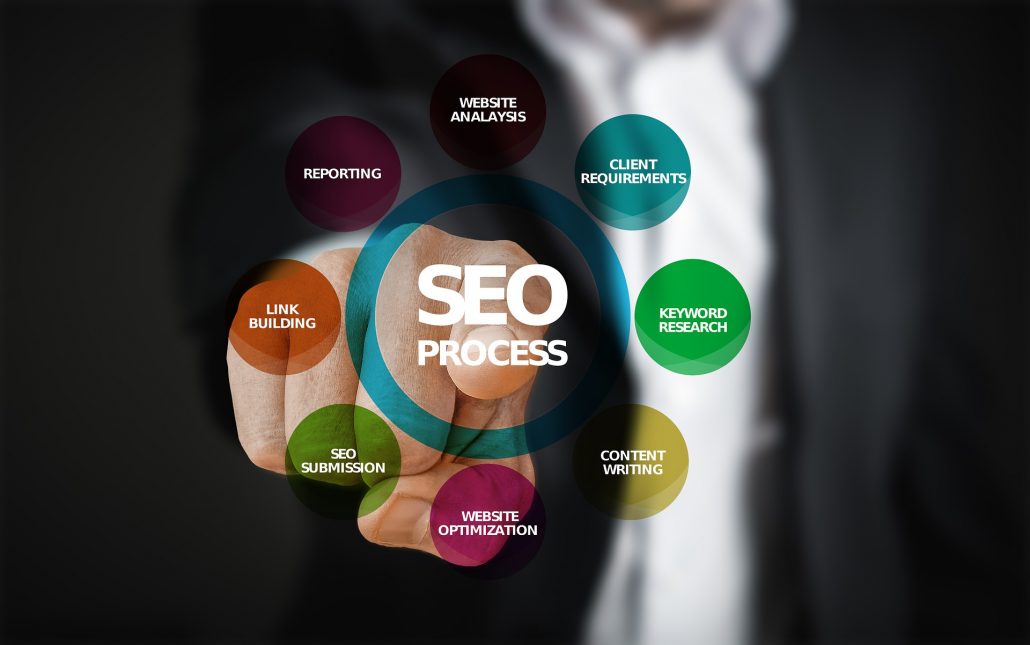
    SEO, which stands for Search Engine Optimization, is a method to increase your website or page ranking in Google, Bing, YouTube, Facebook or any other platform for personal or business purposes.

    It works by increasing the visibility of your website, page, product or service through organic (‘earned’) search results, and can target image search, video search, academic search, news search, and industry-specific vertical search engines. The readability of a webpage in its browser and language plays a big role in how well it ranks.

    SEO is a new and optimal way to market or promote products, services, causes, articles and campaigns — used by everyone from a single person optimizing a personal page, to small businesses, to multi-national companies looking to generate more business and gain more clients.

    Many people don’t fully understand SEO and try it without the proper skills, so their page doesn’t rank properly — it’s technical, requires time, and getting traffic doesn’t always translate into business. With proper skills, time and resources, though, you can get real benefits from SEO.

    Firms operating online know SEO is vital, since without it they can’t list their products or services in a fast-growing, highly competitive market. A person with the right skills can present their brand in local or international markets without spending heavily on marketing.

    To get a better chance of success, treat SEO as a tool that, used properly alongside other resources, can get real results without the hassle — often with help from professional service providers or experts who can help you achieve your target.

  • Rank in TOP of the Google Search Results

    Rank in TOP of the Google Search Results

    Google Favors Unique Content

    A website with unique content ranks sooner than others. Creating shareable content — videos, blog posts, eBooks — means people link to your site, and Google factors those backlinks into its rankings. This is where ‘off-page optimization’ becomes part of your SEO strategy.

    Off-Page Optimization

    Most SEO experts agree off-page optimization, especially link building, contributes roughly 80% to any SEO campaign. The key driving force is backlinks.

    The Importance of Backlinks

    A backlink is essentially a vote for your page, telling search engines that other websites find your content valuable. Not every link carries equal weight, so aim for links from pages with good authority.

    Here are 5 tips for easy link building:

    1. Analyze Competitors — find your competitors’ backlinks using a backlink checker and pursue the major ones, as a routine practice.

    2. Content, Content, Content — consistent, useful, keyword-oriented content is the best way to earn links. Post at least two new articles a week, and don’t forget title tags and meta descriptions with your target keywords.

    3. Join Web 2.0 Sites — platforms like StumbleUpon, Squidoo and Tumblr let you build backlinks through unique, keyword-focused content, ideally with images or video.

    4. Testimonials — give testimonials to clients and partners, including your keywords, linked back to your site.

    5. Ask Your Network — business contacts, suppliers, family and friends can all provide a backlink if you ask. Links from .edu domains are especially valuable.

    These are just initial strategies to build a stronger foundation — hopefully enough to help you climb toward the first position.